Skip to content
Rasodaya

OriginsSeven kitchens, one guest

Respecting origin does not mean pretending nothing has changed.

Every dish comes from somewhere. We would rather tell you where, and how far we have moved it, than borrow a history we did not earn.

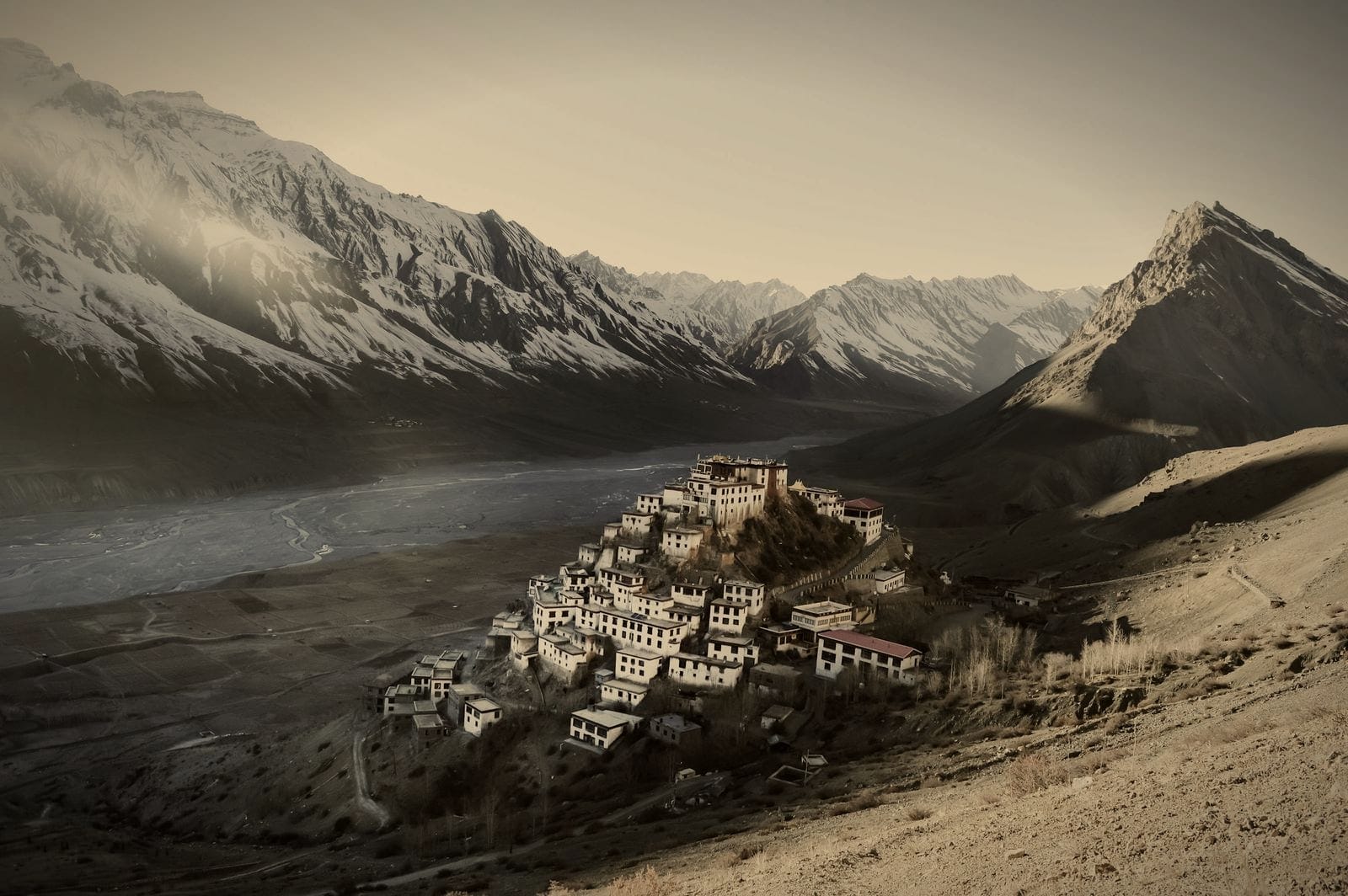
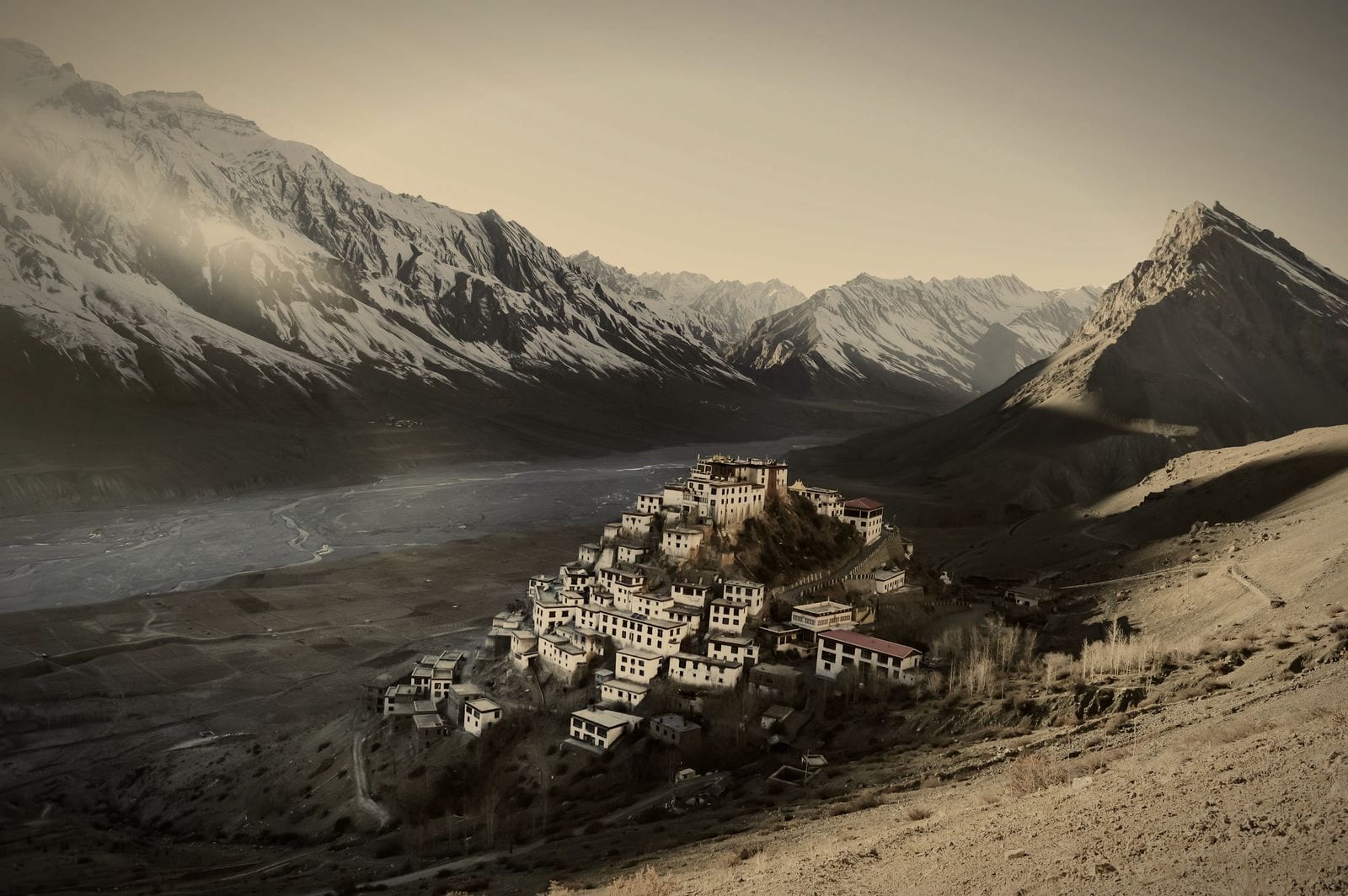
A monastery village on a ridge in the Spiti Valley, with mountains behind

Himachal, Spiti32.20° N · 77.60° E

Wooden houseboats on a still lake beneath snow-covered mountains in Srinagar
Kashmir, Srinagar
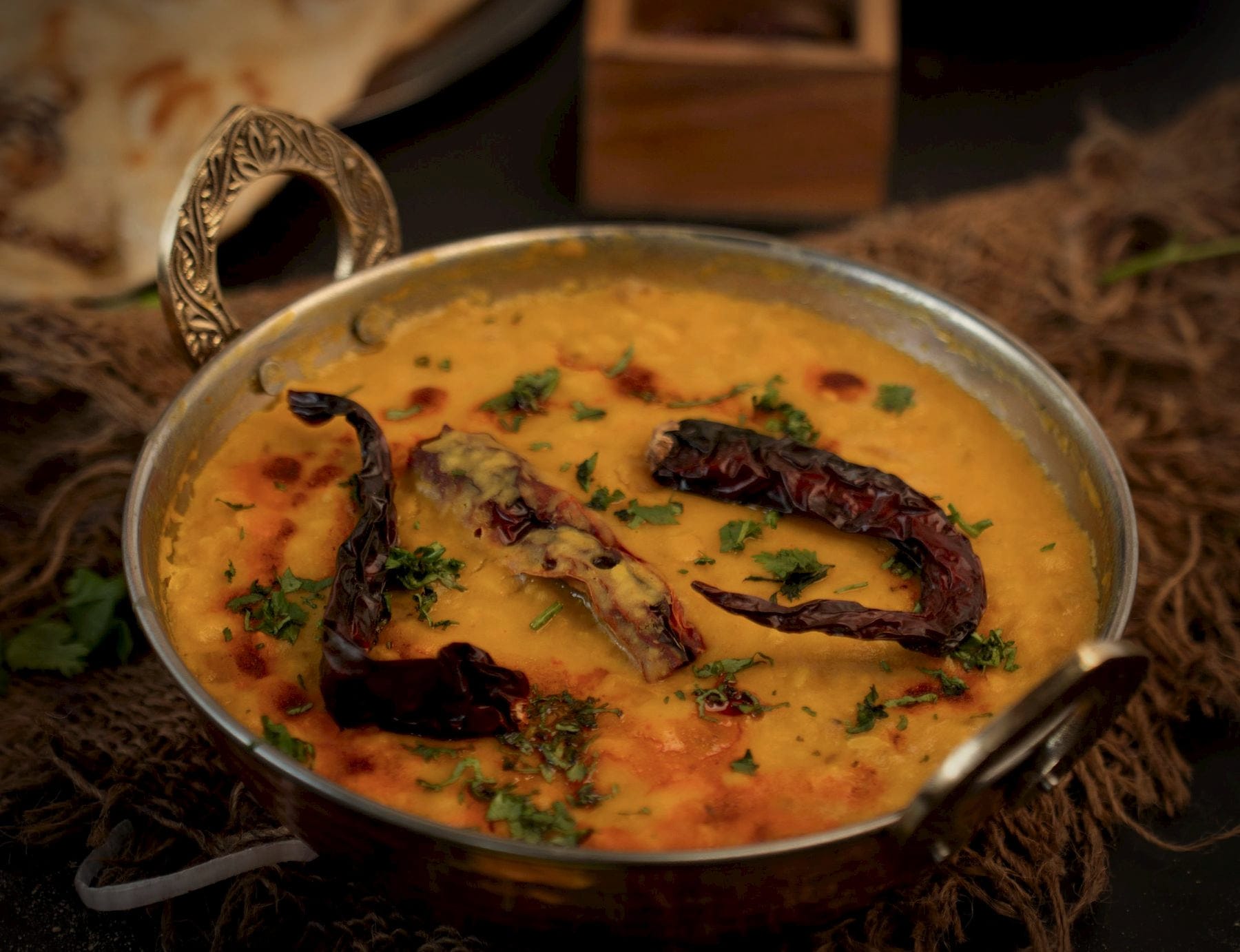
Yellow dal in a brass-handled kadai, with a tempering of whole dried red chillies
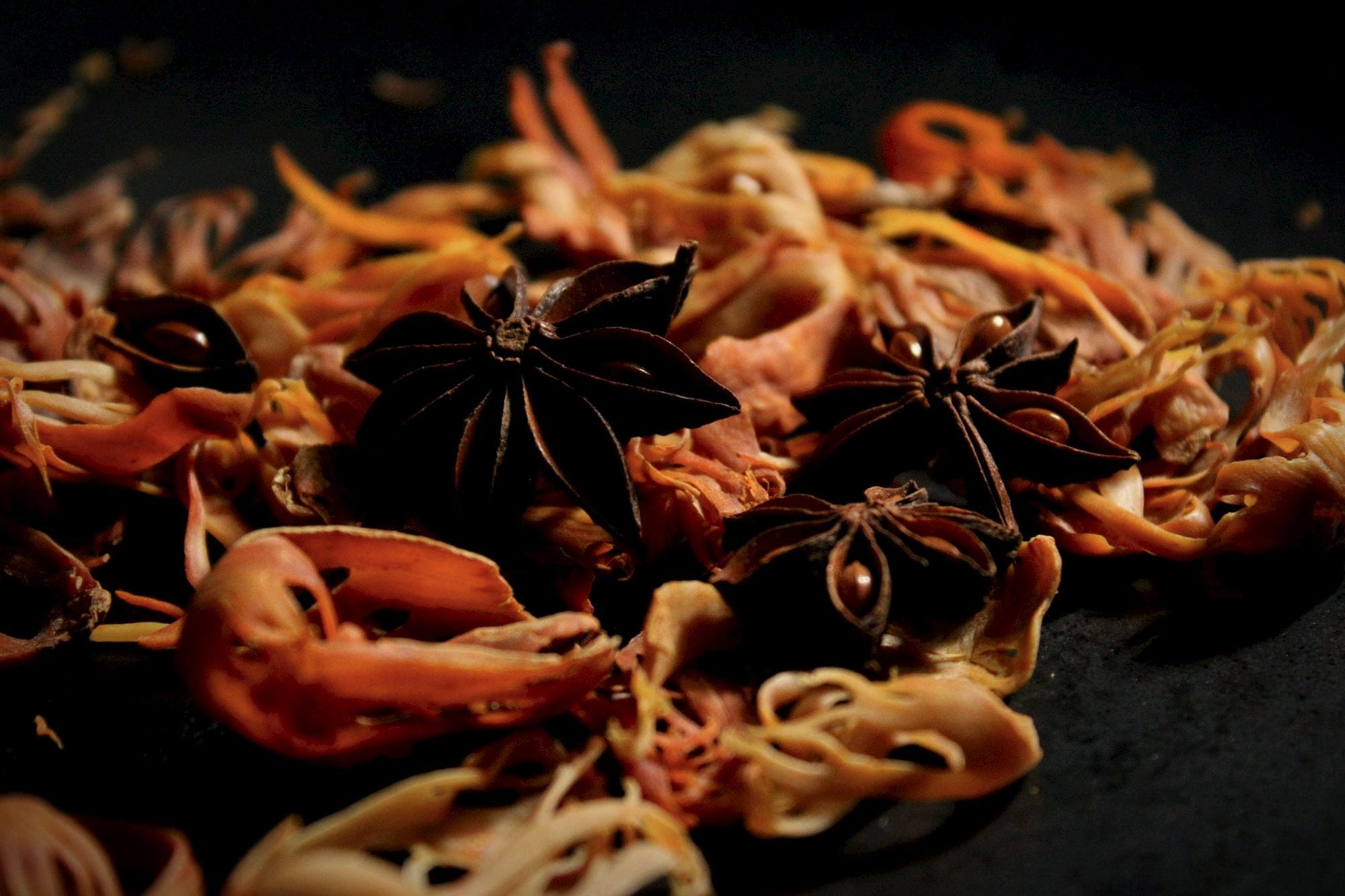
Star anise and mace, warm against a dark surface

The tadka: the moment a dish wakes up. Beside it, star anise and mace.

01Why Rasodaya

Rasodaya is our expression for the awakening of rasa.

Rasodaya

Where the two words meet, a and u become o.

01Rasa
Rasa is more than flavour. It can hold taste, essence, emotion and the feeling that remains after an experience.
02Udaya
Udaya evokes rising, awakening and emergence.

Together, the name expresses what we want the table to do: awaken familiar flavours, memories and sensations with renewed attention.

02The northern table

Not one cuisine. Many kitchens.

“North Indian food” is a convenient phrase for something far more varied. The valley kitchens of Kashmir cook differently from the open-handed tables of Punjab. Awadh prizes refinement, Rajasthan ingenuity, and the mountain kitchens of Himachal and Uttarakhand keep traditions of their own.

We begin where many people’s memories begin, with dishes they already love. From there, we want to widen the table slowly, one properly learned dish at a time.

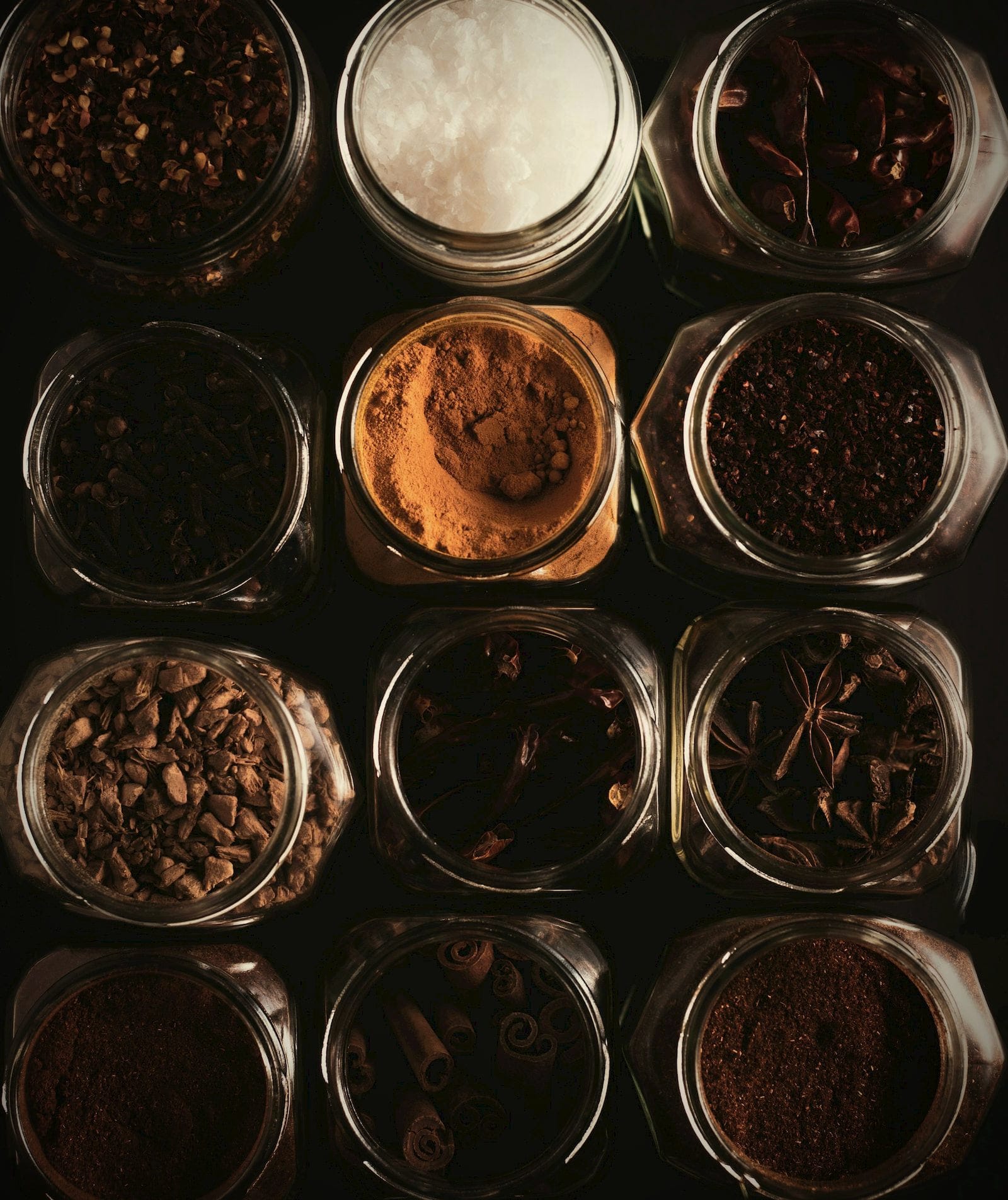
Whole and ground spices in glass jars, arranged in a grid

One shelf, many jars.

03Origin Atlas

The northern table, as we read it.

Seven kitchens that shape how we cook. Where a dish of ours has roots, the atlas shows it, and light travels between regions that share one. Where it does not yet, we say so.

Select a region

HIMALAYA70°E74°E78°E82°E26°N30°N34°NYamunaGangaTO COASTAL KARNATAKAThe Guest Table

An artistic atlas. Not to scale, and without borders.

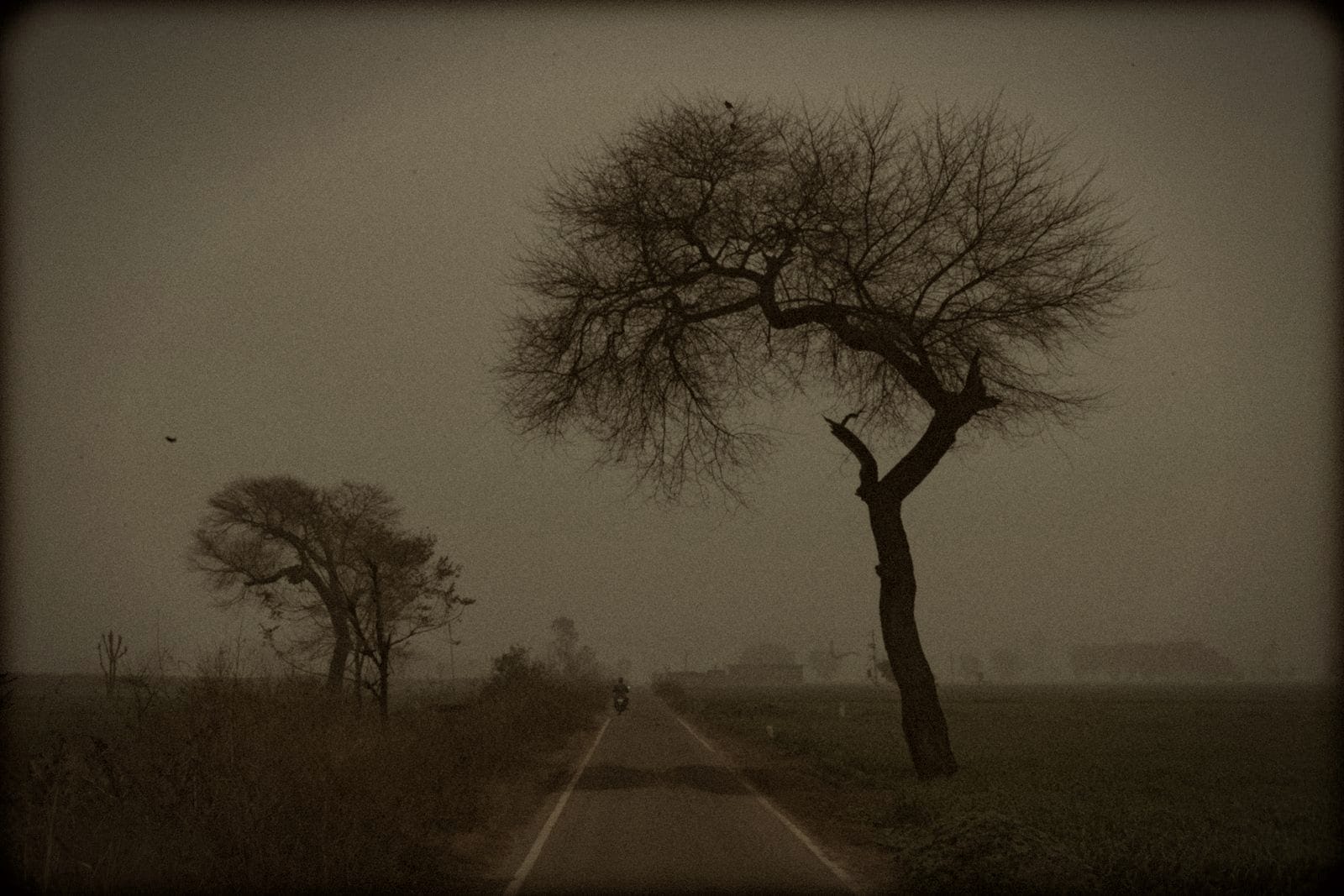
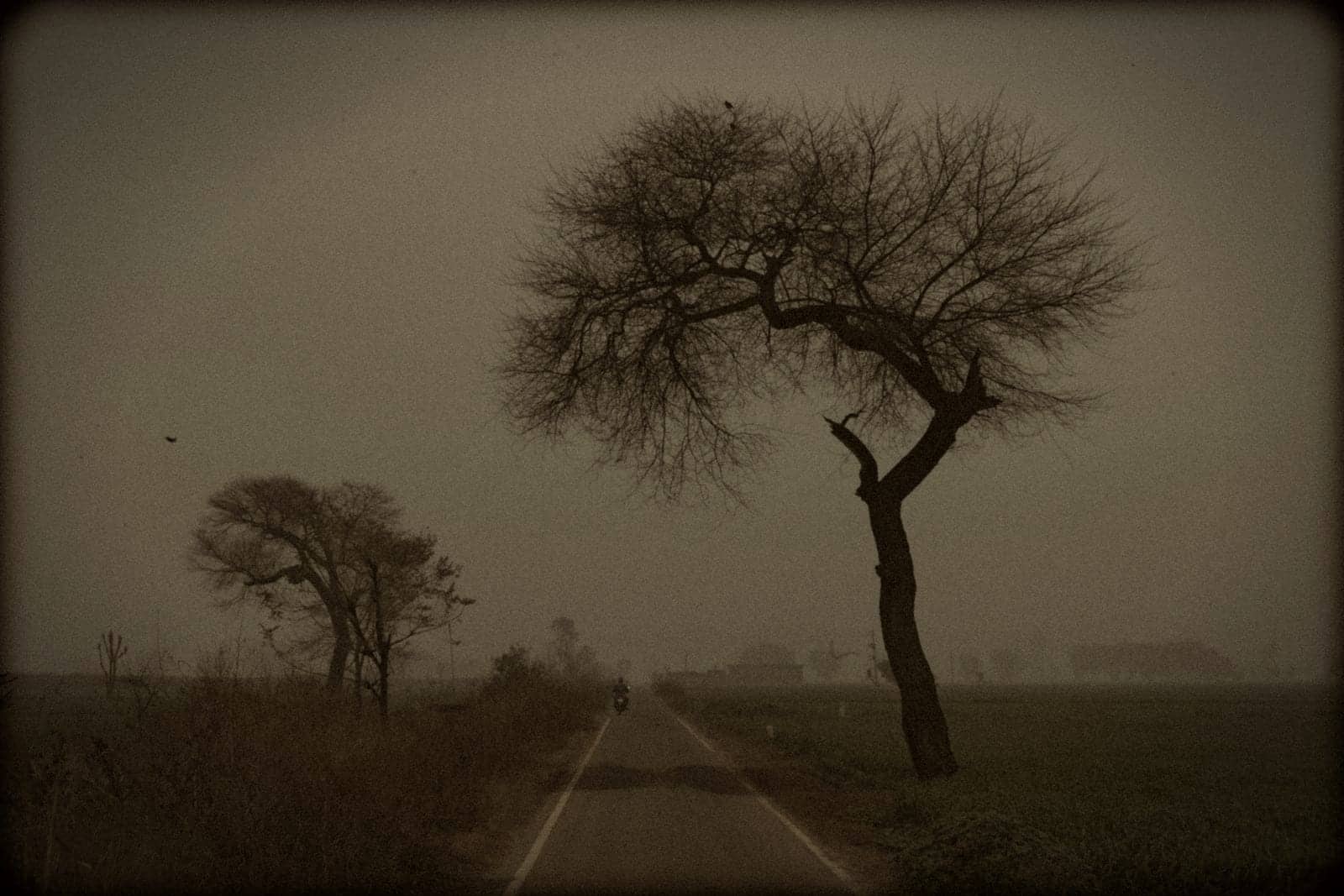
Punjab · Amritsar

Generous, open-handed cooking. Whole lentils, the tandoor, and bread worth waiting for.

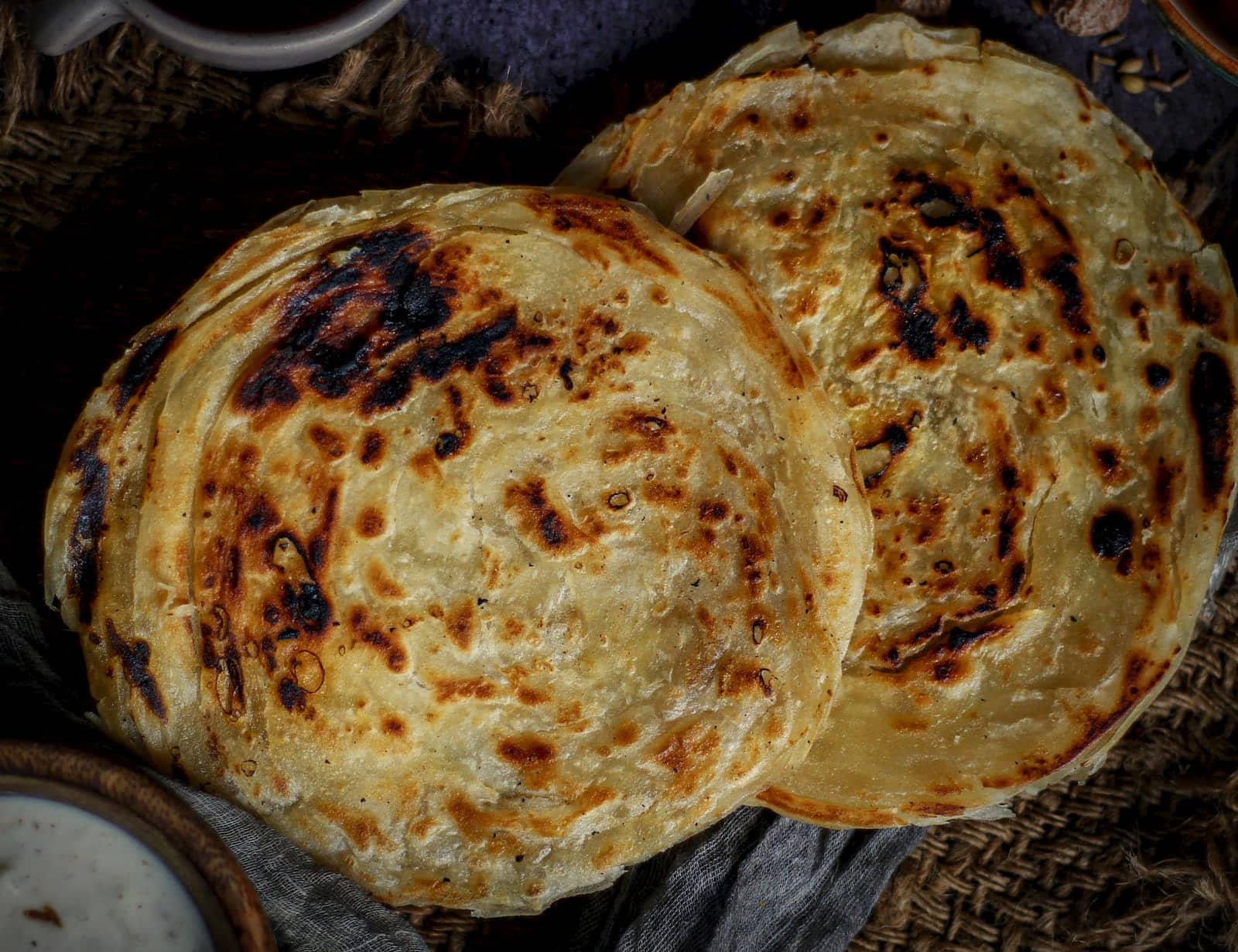
Our House Black Dal and breads belong to this table. Lahori Paneer is named for Lahore, the historic heart of the wider Punjab.

A quiet road through open farmland in Punjab
Surinder Singh / Unsplash

04Regional chapters

Seven kitchens, one at a time.

The photographs show the places, not our food. Each chapter names the dishes of ours that draw on it, or says plainly that none does yet.
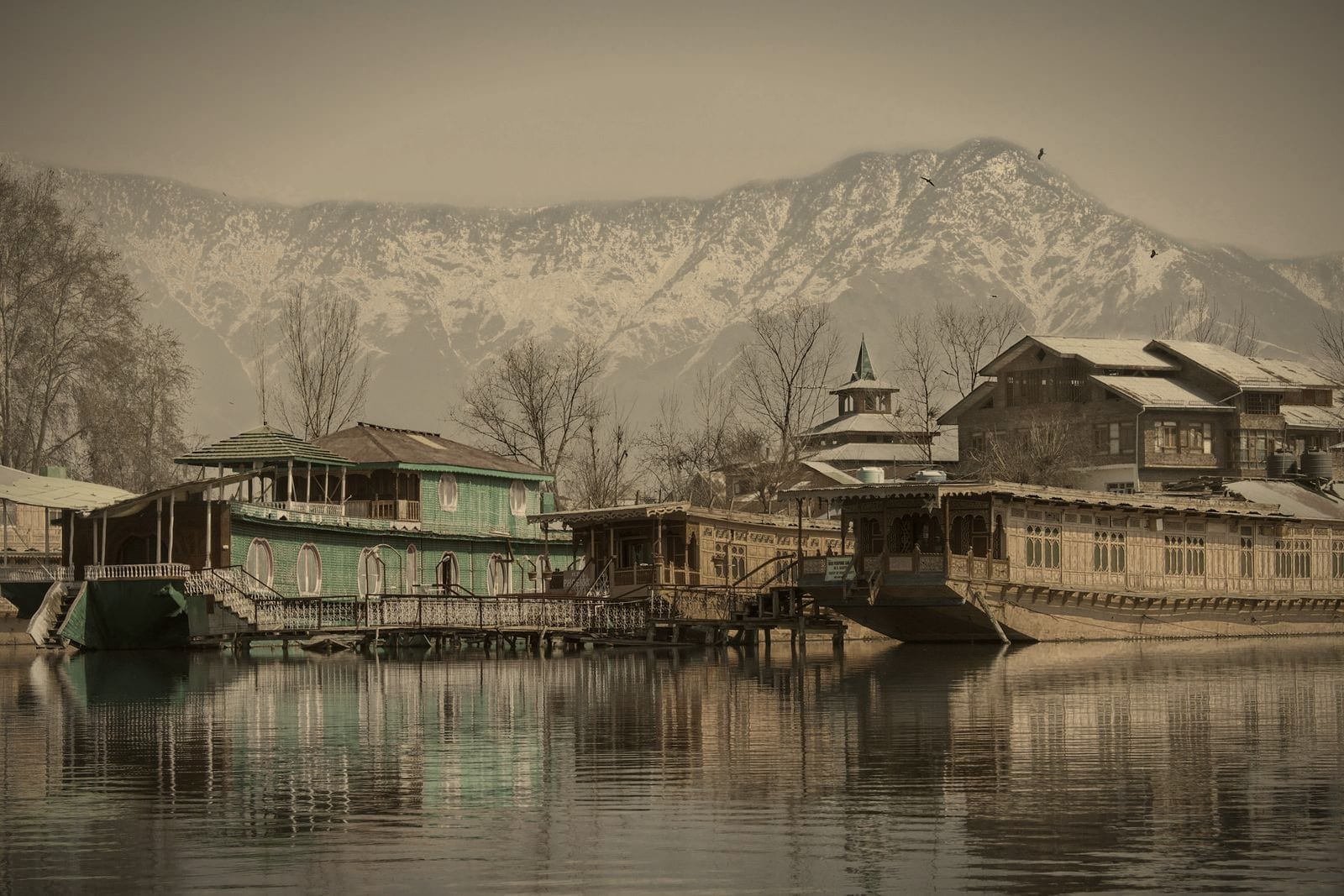
Wooden houseboats on a still lake beneath snow-covered mountains in Srinagar
Photograph: Isa / Unsplash

01Srinagar

Kashmir

Reference point: 34.08° N · 74.80° E

Colour without fury. Fennel, dried ginger and the gentle red of Kashmiri chillies.

Our Kashmiri Dum Aloo takes its direction from here: small potatoes, a yoghurt-based gravy, and warmth rather than heat.

02Spiti

Himachal

Reference point: 32.20° N · 77.60° E

Mountain cooking of lentils, yoghurt and patience, gathered most generously in the festive dham.

Not on our table yet. Dishes such as madra, a yoghurt-based chickpea curry, are firmly on our list of traditions to learn properly first.

On our list, not yet on our table

A monastery village on a ridge in the Spiti Valley, with mountains behind
Photograph: Shashank Rai / Unsplash
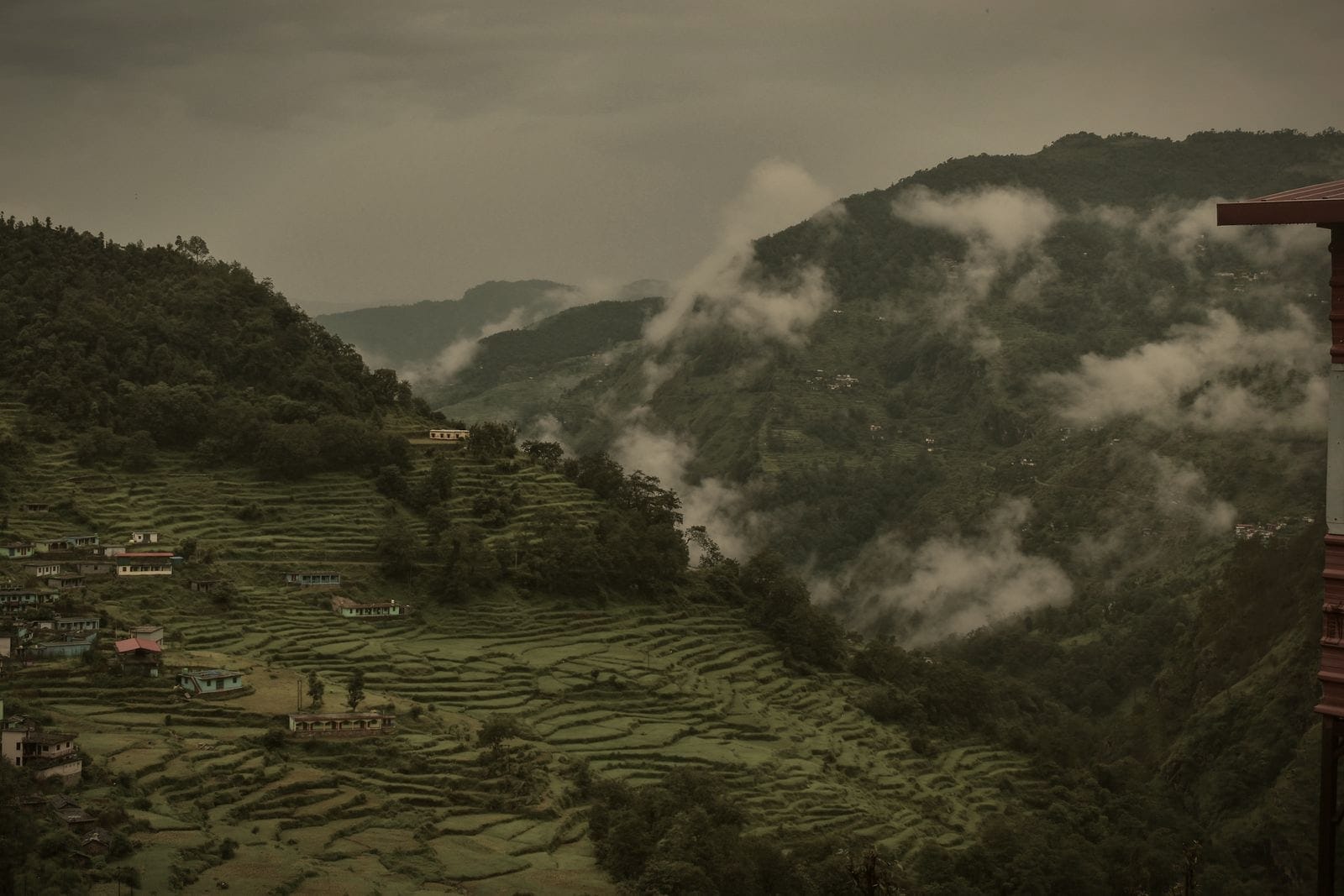
Terraced hillsides under drifting cloud near Ukhimath
Photograph: Sidharth Maithani / Unsplash

04Ukhimath

Uttarakhand

Reference point: 30.52° N · 79.10° E

Pahadi kitchens built around local lentils such as bhatt and gahat, cooked slowly for cold evenings.

Not on our table yet. We would rather arrive late with a dish done properly than early with a caricature.

On our list, not yet on our table

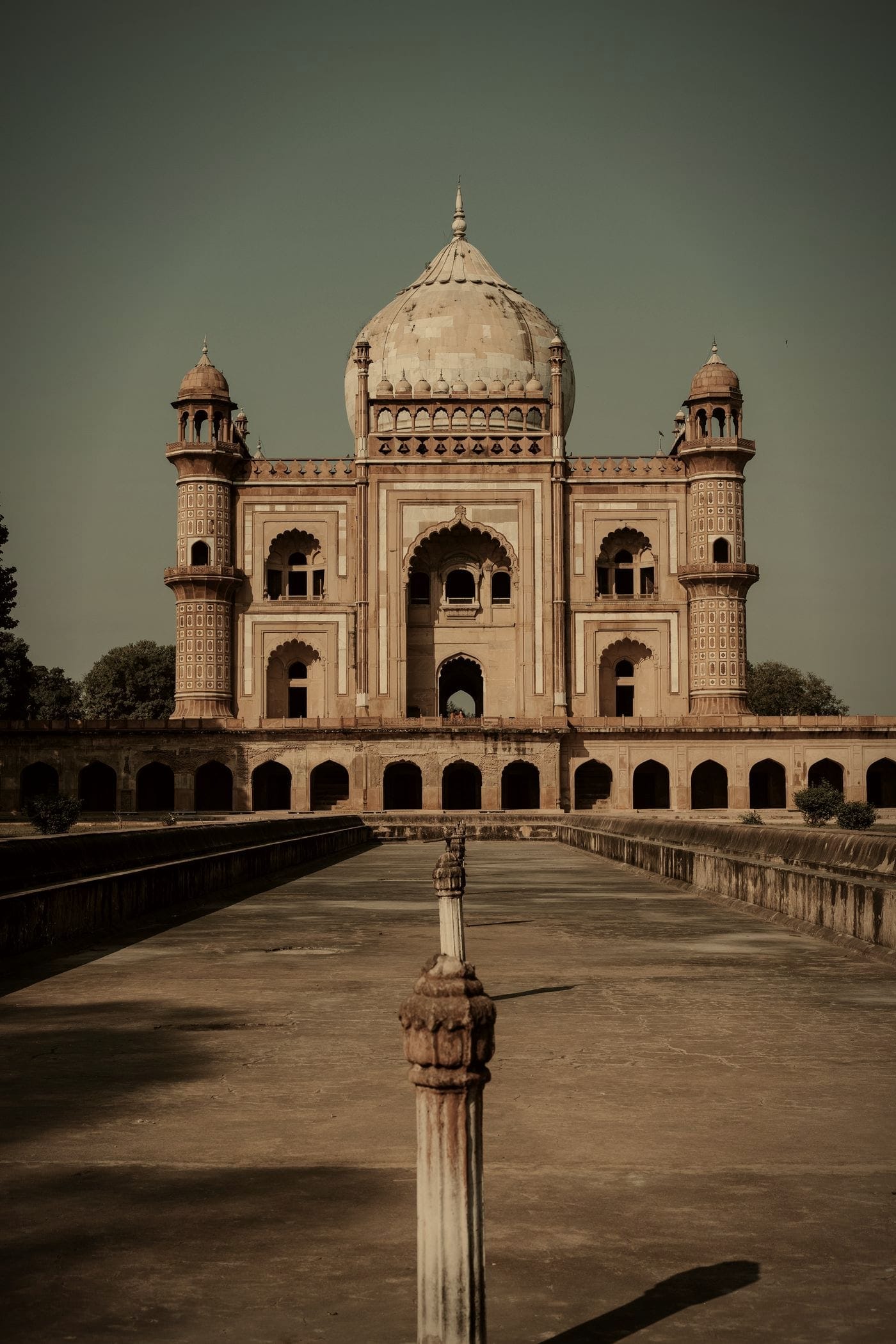
Safdarjung's Tomb in New Delhi, framed by its long approach
Photograph: Darklabs India / Unsplash

05Old Delhi

Delhi

Reference point: 28.61° N · 77.21° E

A city that absorbs every kitchen that arrives in it, and gives each one back a little changed.

Paneer Nihari begins with the slow stews associated with Delhi's older kitchens. Paneer Butter Masala is the richer, more familiar side of the same city.

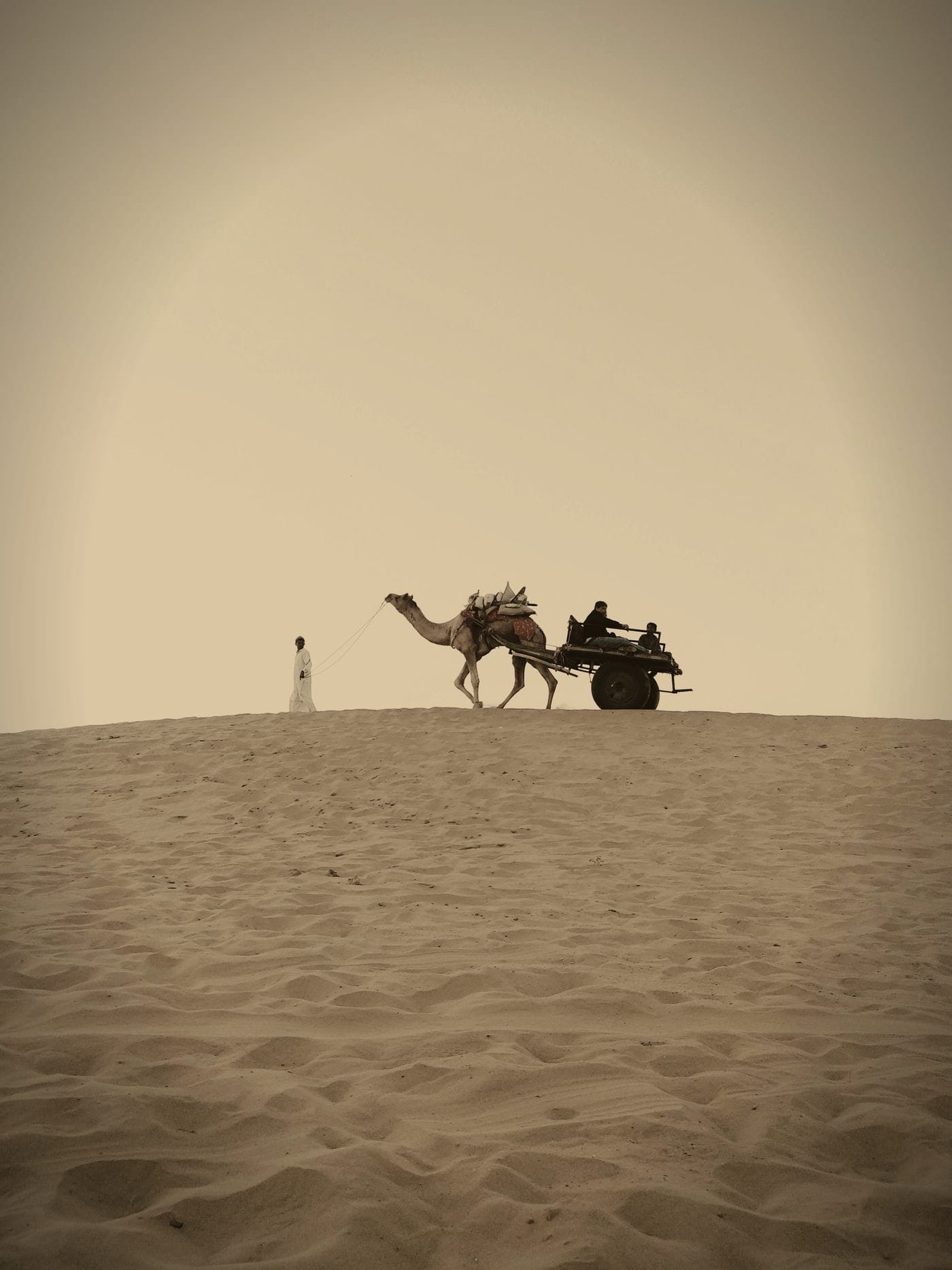
A lone camel cart crossing the crest of a sand dune near Jaisalmer
Photograph: Shravan K Acharya / Unsplash

06Thar

Rajasthan

Reference point: 26.60° N · 72.40° E

Cooking shaped by scarcity and ingenuity. Gram flour, dried spices and bread that keeps.

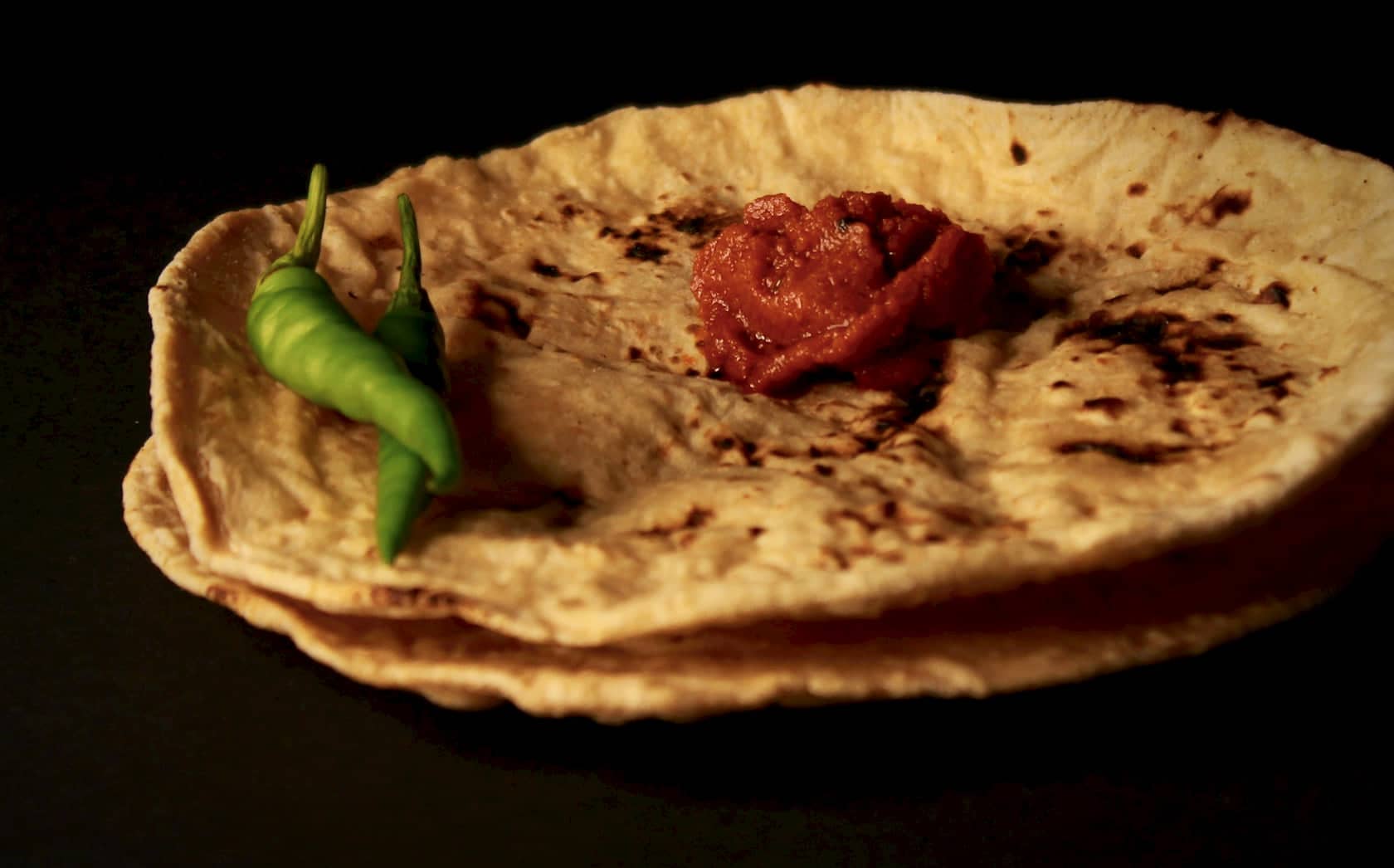
Missi Roti, made with gram flour and spice, is shared between Rajasthani and Punjabi homes.

On our table

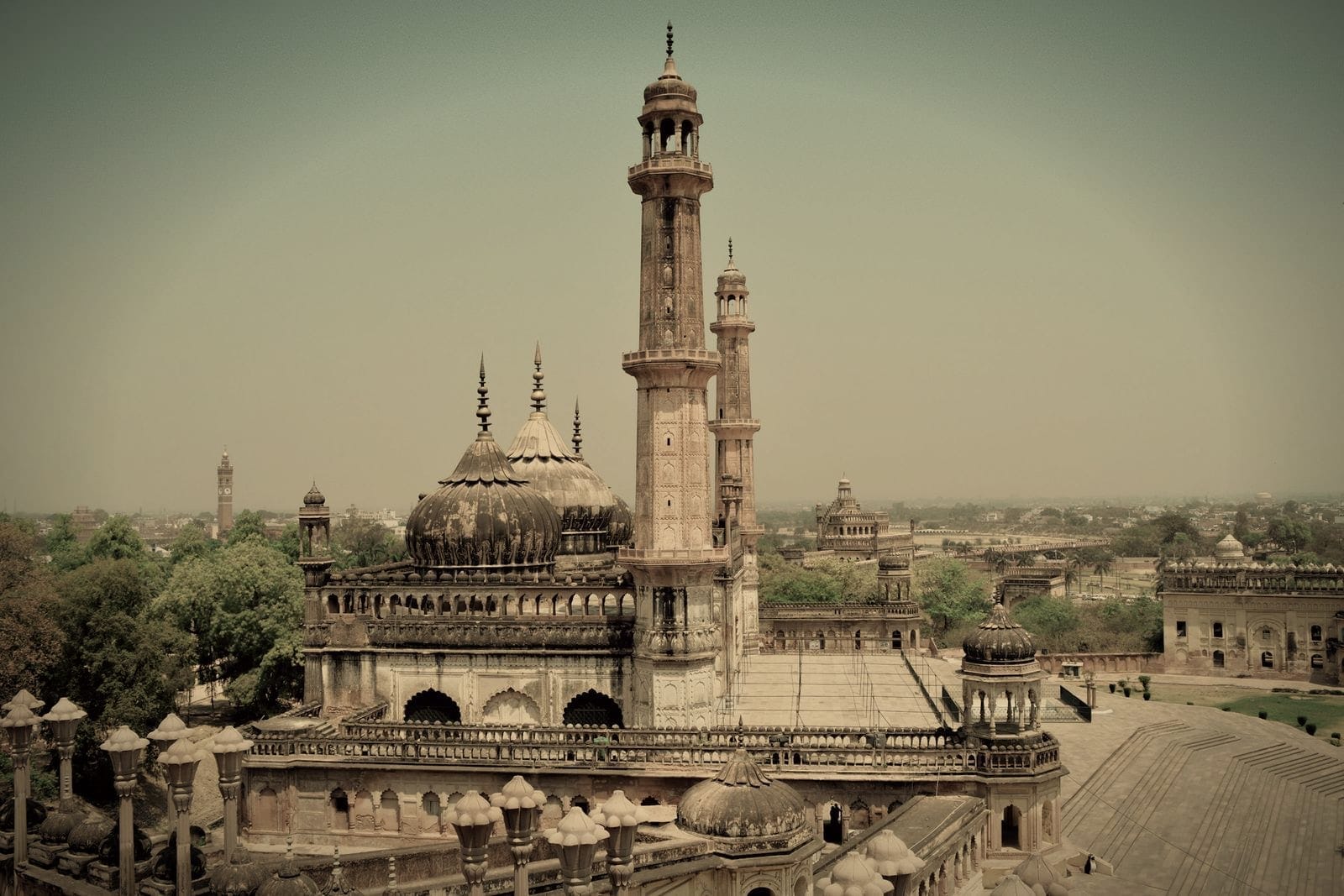
The Bara Imambara in Lucknow under a pale sky
Photograph: Abdullah Ahmad / Unsplash

07Lucknow

Awadh

Reference point: 26.85° N · 80.95° E

Refinement through restraint. Fragrant stocks, gentle spice and slow cooking over low heat.

Yakhni Pulao follows the Awadhi idea of rice cooked in a fragrant stock. Paneer Nihari borrows its patience from the stews associated with Lucknow.

05Tradition and reinterpretation

Four kinds of dish. Always labelled.

On the menu, every dish says what it is. These are the distinctions we hold ourselves to.

Respecting origin does not mean pretending every dish is unchanged by time.

The principle behind every label

Rasodaya may preserve some preparations, reinterpret others, build house signatures of its own, and occasionally explore another Indian region. Whichever it is, we will describe it honestly.

  1. I

    Familiar

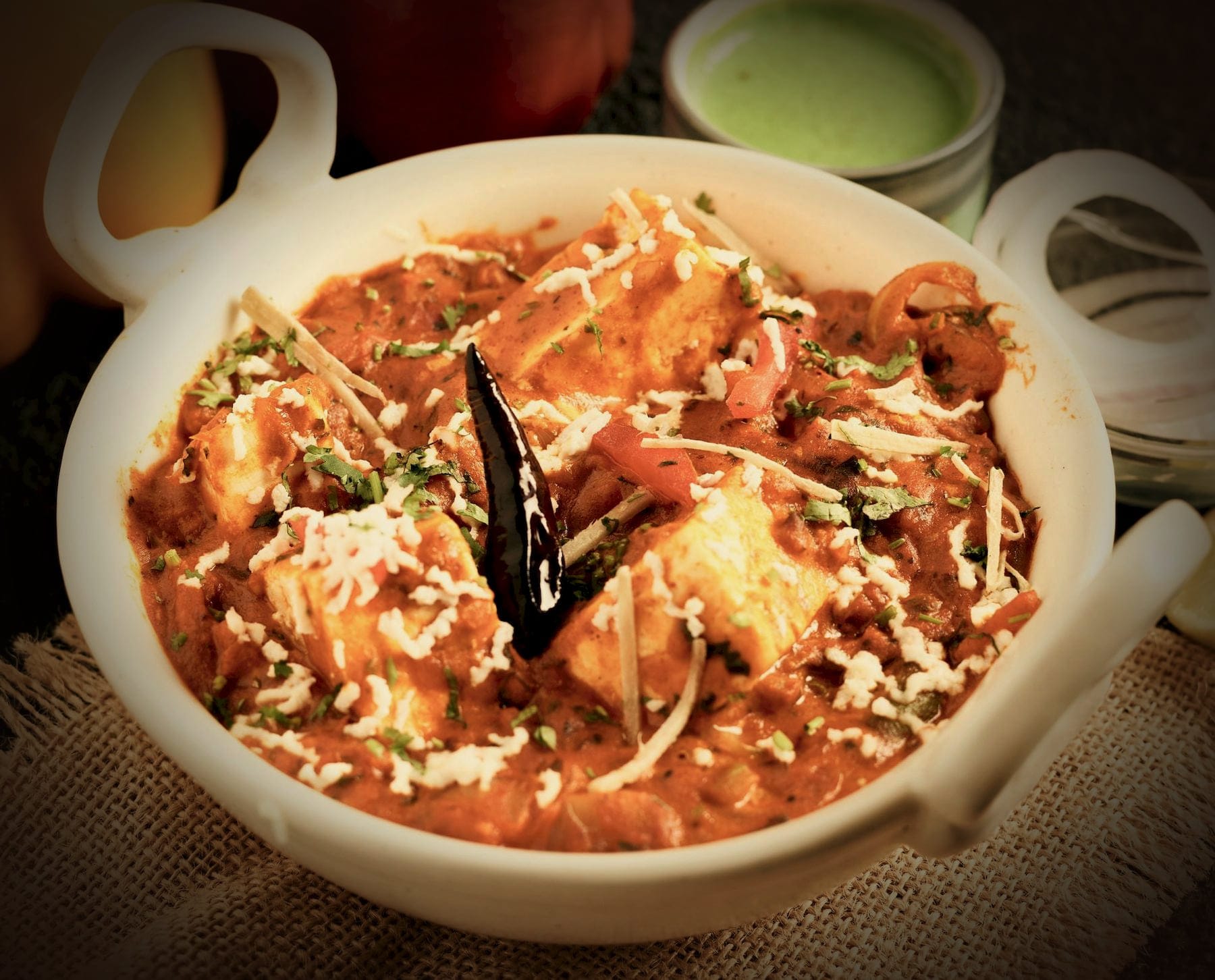
    Dishes you already know, made carefully and without reinvention.

    Paneer in a glossy orange-red masala in a handled ivory ceramic bowl
    Paneer Butter MasalaOn the menu as Familiar Favourite
  2. II

    Reinterpreted

    A tradition deliberately rebuilt, and always described as a reinterpretation.

    Paneer in a deep mahogany gravy in a dark hammered handi, finished with ginger julienne and coriander
    Paneer NihariOn the menu as Reinterpreted
  3. III

    House Signature

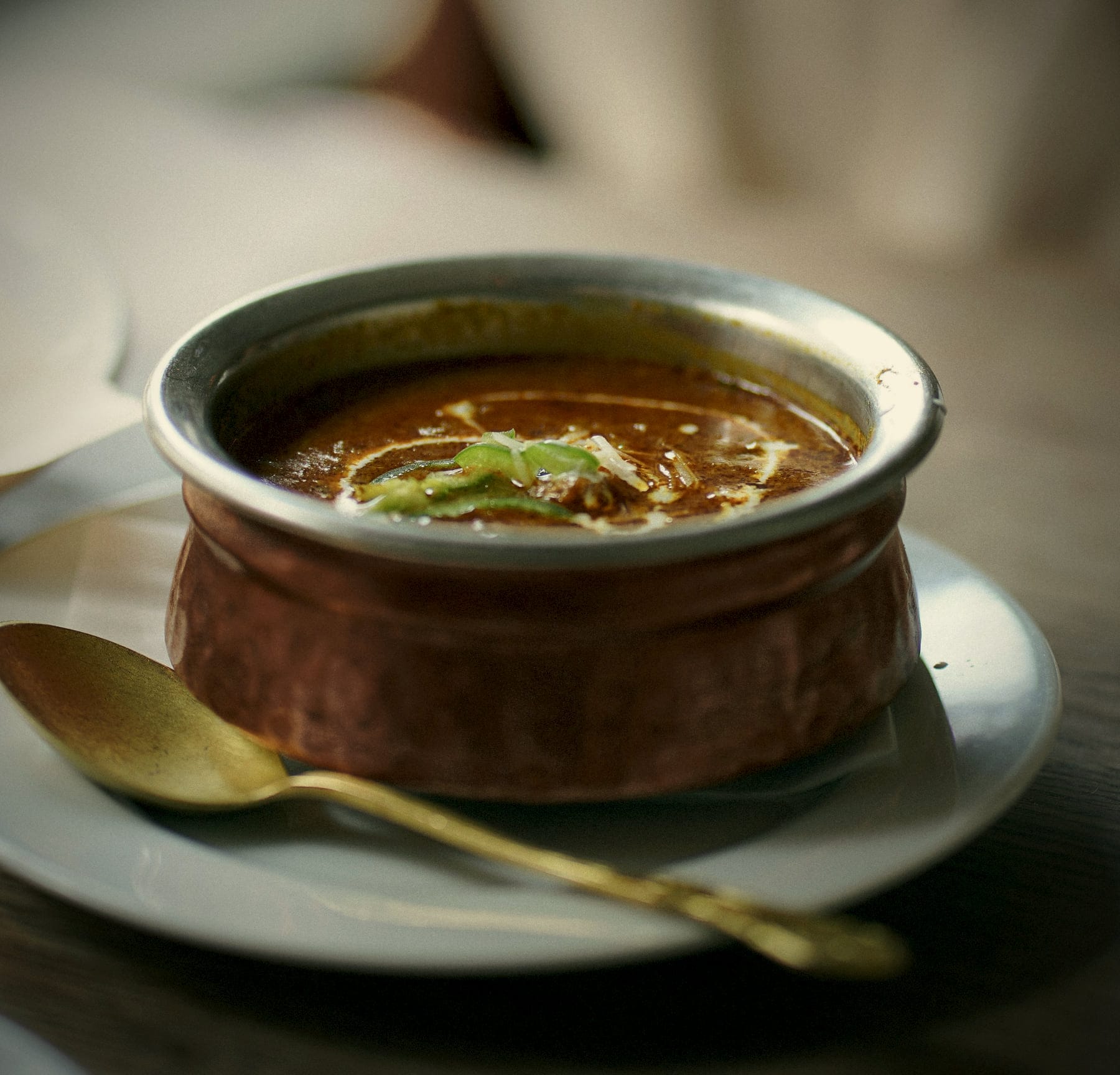
    A dish we have made our own through repetition, and intend to keep refining.

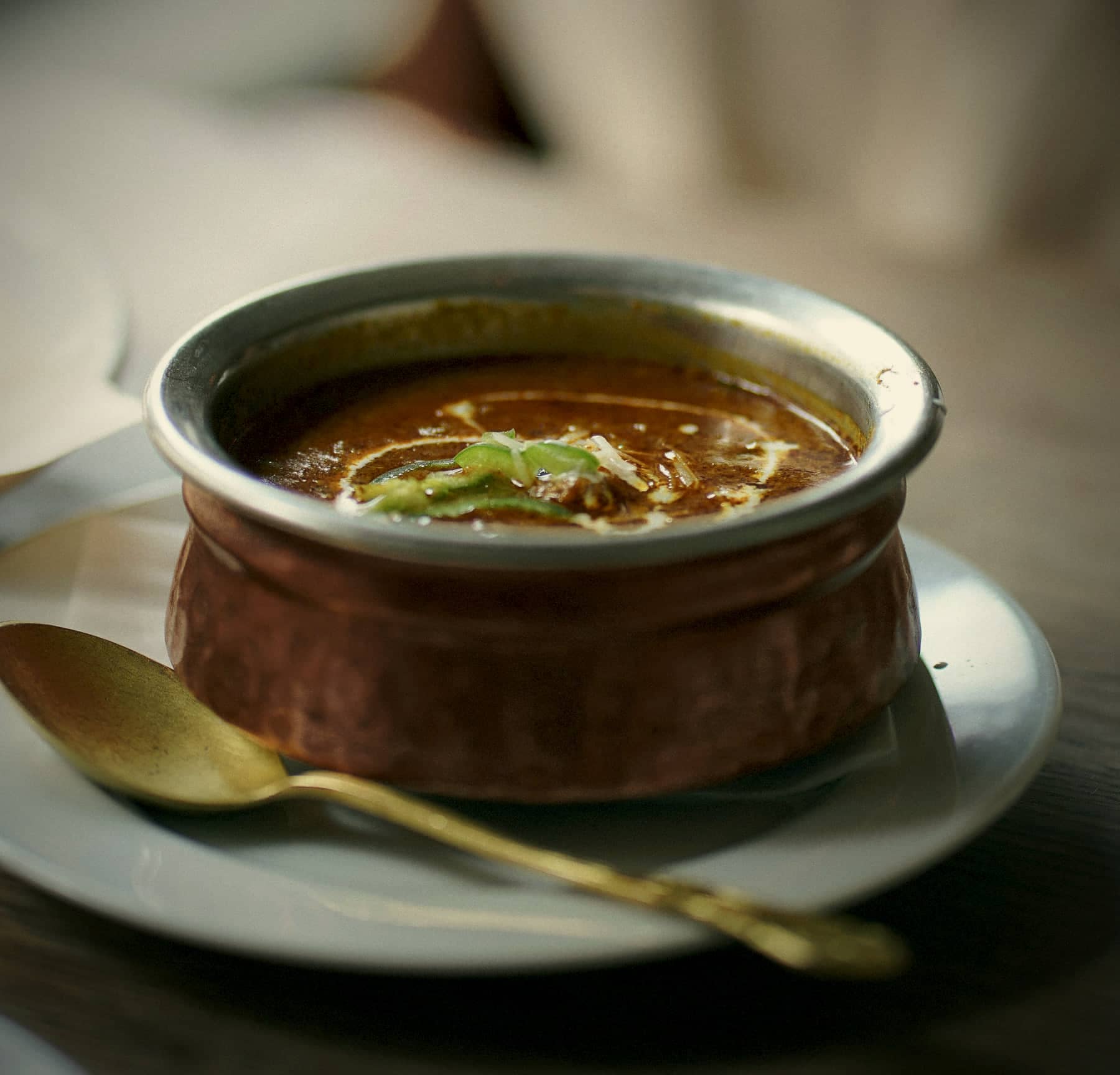
    Glossy black dal in a hammered copper handi on an ivory saucer, with a brass spoon beside it
    House Black DalOn the menu as House Signature
  4. IV

    Guest

    An occasional journey beyond the North, presented with its true origin.

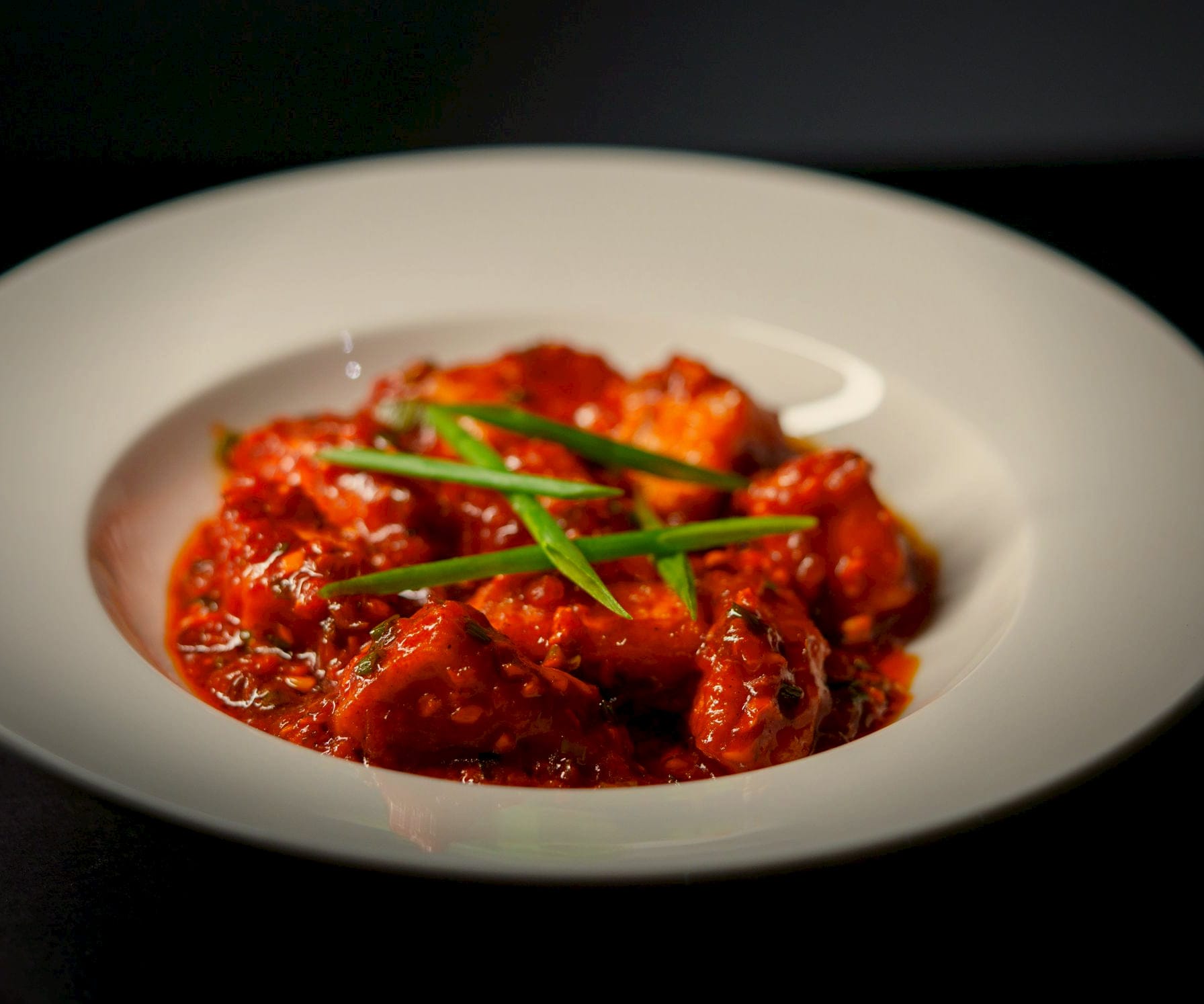
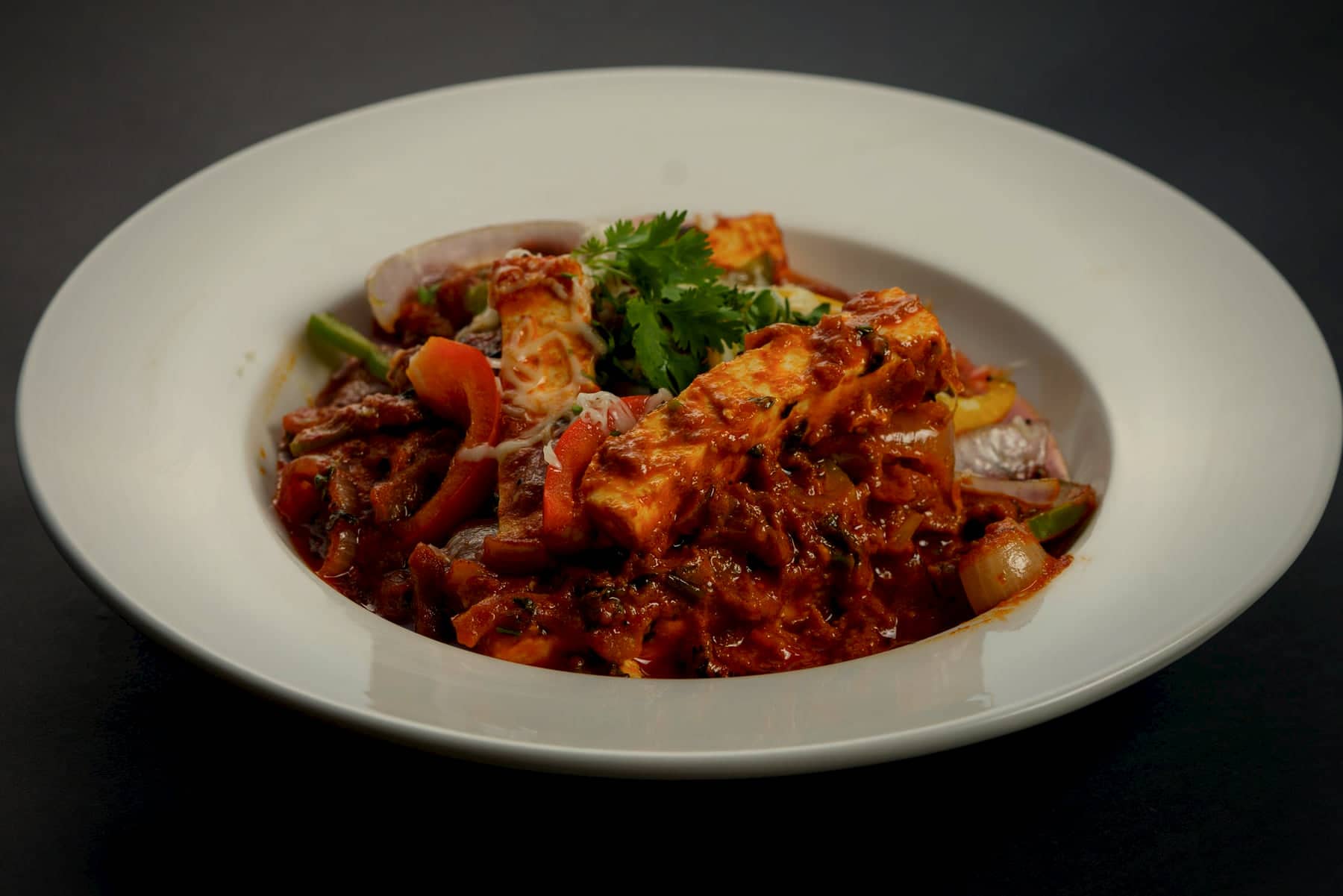
    Paneer in a deep roasted red, semi-dry masala glossy with ghee, in a wide ivory bowl
    Coastal Ghee Roast PaneerOn the menu as Guest Table
Paneer in a deep roasted red, semi-dry masala glossy with ghee, in a wide ivory bowl
Red chillies turning in a hot pan

Where the masala begins

06The Guest Table

Occasionally, we travel beyond the North.

Coastal Ghee Roast Paneer

From
The northern table
To
Coastal Karnataka
Mangaluru and Kundapur

Roasted red chilli, glossy ghee, a dry, clinging masala.

Ghee roast belongs to the coast of Karnataka, to Mangaluru and Kundapur, where a deep red paste of roasted chillies and spices is cooked slowly in ghee. It is not a North Indian dish and we will never present it as one. It is here because it is extraordinary, and because a good table always has room for a guest.

In the kitchen
The chilli paste is cooked down in ghee until the fat itself turns red.
Classification
Guest Table
Pairs with
Steamed Aged Basmati
Find it on the menu